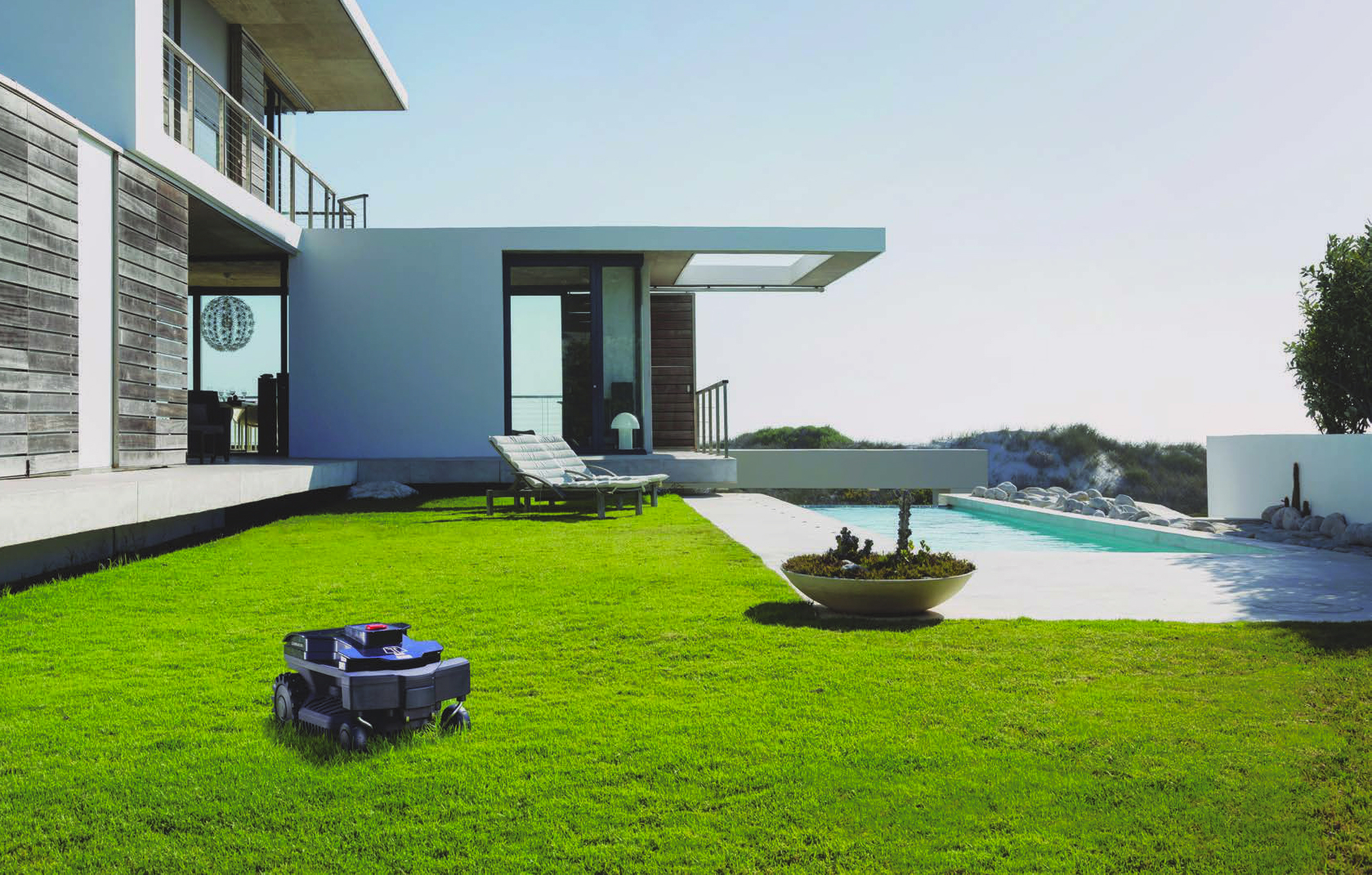
Achieving Harmony in Landscape Design: Balancing Hardscaping and Softscaping Elements Dec 04, 2025
The first step in balancing hardscaping and softscaping is understanding the roles each element plays. Hardscaping refers to the non-living features of landscape design, including patios, walkways, retaining walls, and other structures made from materials like stone, wood, or metal. These elements provide structure and definition to a landscape, creating pathways and focal points that guide the flow and function of the space.
On the other hand, softscaping involves the living components of your landscape—plants, trees, flowers, and shrubs. These organic features bring color, texture, and life to the design, offering a counterbalance to the rigid lines and materials of hardscaping. Together, these elements create a dynamic landscape that is both visually pleasing and highly functional.
To achieve the perfect balance, start by assessing the existing landscape to determine the scale and scope of the project. Consider the size of the outdoor area and how different hardscaping and softscaping elements will interact with each other. For instance, if you have a large backyard, incorporating expansive hardscaping features like a patio or an outdoor kitchen can create a strong focal point. Complement these with lush greenery and colorful blooms that soften the hard edges and integrate the hardscape seamlessly with the natural environment.
Another critical aspect is to ensure that your hardscaping and softscaping elements complement each other. This can be achieved by selecting materials and plants that harmonize in color, texture, and style. For instance, pairing sleek, modern pavers with contemporary plantings like ornamental grasses or succulents can create a cohesive look. Alternatively, more traditional bricks can be combined with classic boxwoods for a timeless appeal.
Functionality should also guide your landscaping decisions. Identify the primary purpose of your outdoor space, whether it's for entertainment, relaxation, or play, and select hard- and softscaping elements that support these activities. For instance, create private, serene areas with tall hedges or flowering trees around a comfortable seating area, allowing you to enjoy peaceful moments in your garden. Similarly, ensure walkways and paths are strategically placed to facilitate easy navigation and access.
Incorporating energy-efficient and environmentally conscious features is another way to achieve harmony. Choose native plants that require minimal water and maintenance, supporting local ecosystems while reducing your environmental footprint. Opt for permeable paving solutions in your hardscaping to allow rainwater to recharge ground levels, promoting sustainability.
In conclusion, achieving harmony in landscape design requires careful planning and thoughtful consideration of both hardscaping and softscaping elements. By focusing on balance, complementarity, functionality, and sustainability, you can create a landscape that not only meets your practical needs but also enhances the natural beauty of your property. At CBA Landscaping, we're committed to helping you realize this vision, ensuring your outdoor spaces are both elegant and enduring. Whether you're starting from scratch or redesigning existing areas, our expert team is ready to turn your landscape dreams into reality.
/filters:no_upscale()/filters:format(webp)/media/f07c606f-9500-4993-bcf2-622eb19cd59a.jpeg)
/filters:no_upscale()/filters:format(webp)/media/2800a183-2021-4d0d-a953-0f6a4e84e60d.jpeg)