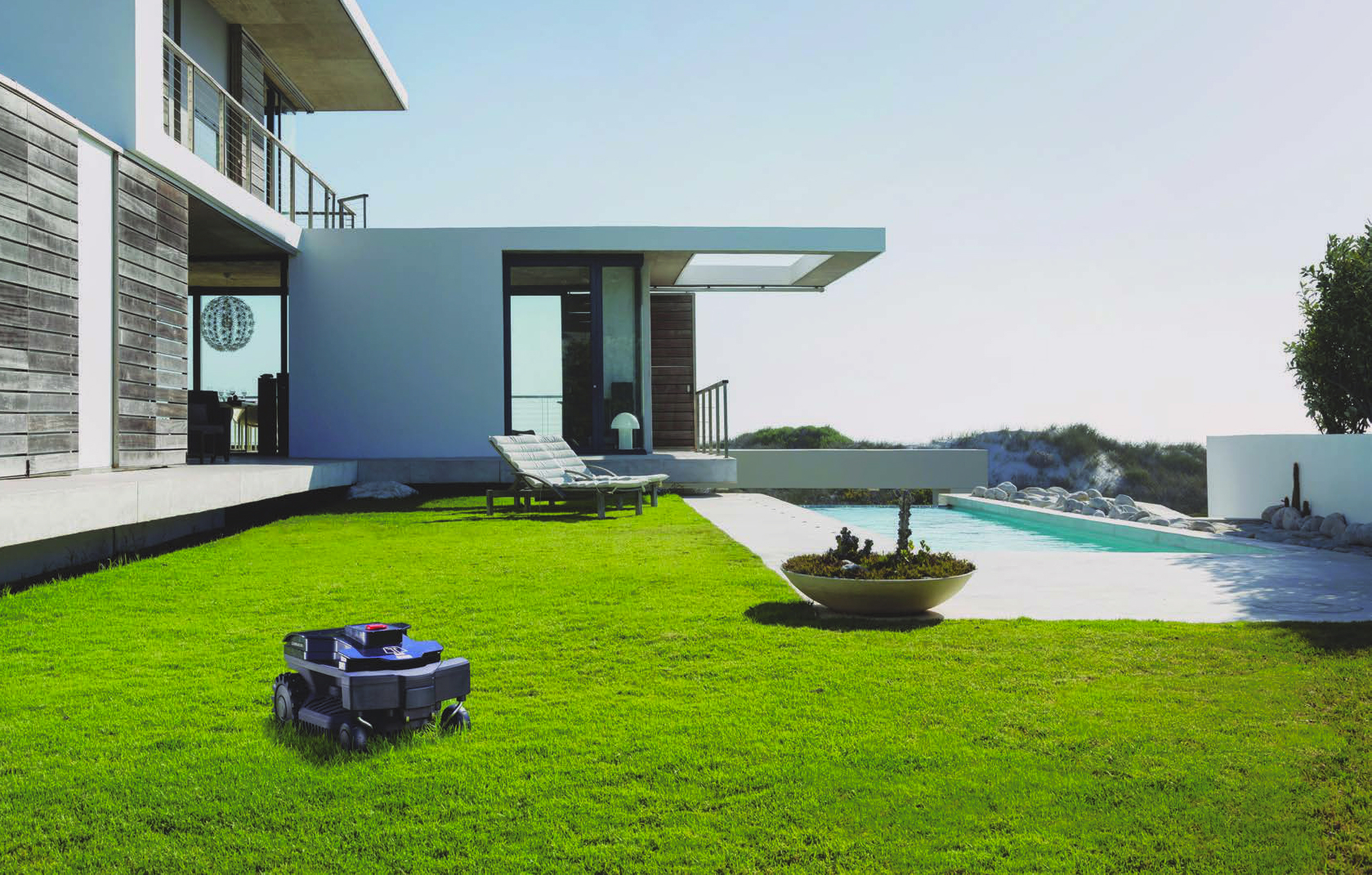
Harmonizing Outdoor Spaces: The Art of Seamless Garden Transitions Feb 02, 2026
The first step in achieving these transitions is understanding the concept of spatial flow. At CBA Landscaping, we emphasize creating a seamless experience for your guests as they move through various garden elements. Begin by assessing the existing layout of your outdoor space. Consider the natural paths guests gravitate toward and build transitions around these movements. By doing this, you respect natural inclinations while enhancing the aesthetic quality of your garden.
Introducing varying textures and plant heights is another essential strategy. Mixing hardscaping with landscaping is a perfect approach to this end. Use walkways made of flagstone or gravel to guide visitors through lush, varied plantings. The contrast between smooth hardscape surfaces and rich, layered foliage adds depth and intrigue. Remember, the goal is to surprise and delight while ensuring a natural progression throughout the space.
Incorporating focal points at transition spots can draw the eye and encourage exploration. A well-placed sculpture, water feature, or a unique plant specimen can act as a visual anchor. These elements should harmonize with the surrounding landscape to maintain a balanced feel. This approach ensures every transition is not only a connector but also a highlight on its own.
Lighting plays an often underestimated role in creating seamless garden transitions. Properly planned garden lighting extends the usability of your outdoor spaces beyond daylight hours and emphasizes key transitions. Soft pathway lights, for example, can lead the way from one garden area to another, subtly guiding and enhancing ambiance. Similarly, uplighting on trees or structures can highlight vertical elements and maintain visual interest after dark.
Consideration of seasonality will ensure your transitions remain impactful year-round. Select perennial plants and variations of evergreens that maintain their structure through the seasons. Integrate seasonal blooms that add splashes of color without overwhelming the existing palette. This planning is vital to keeping your outdoor space vibrant and cohesive regardless of the time of year.
Sustainability and ecology are increasingly important in landscape design. At CBA Landscaping, we advocate for eco-friendly practices. Selecting native plants not only supports local wildlife but also tends to be more resilient, reducing maintenance needs. Using locally sourced materials for hardscaping elements also contributes to the ecological balance and blends naturally with the environment.
Finally, customization is key. Every outdoor space is unique, and tailor-fitting the design to your personal style and functional needs is crucial. Work with your landscaping professional to integrate personal touches that reflect your tastes and fulfill your specific lifestyle requirements. Whether it’s a cozy fire pit area or a dedicated space for outdoor dining, personalization imbues gardens with character and charm.
In conclusion, seamless garden transitions are about connecting spaces in a way that feels natural and visually appealing. By incorporating thoughtful design elements and maintaining mindfulness of spatial flow, you can create an outdoor retreat that offers relaxation and inspiration. At CBA Landscaping, we are committed to crafting landscapes that not only meet but exceed the expectations of harmony and beauty. Step back, plan wisely, and let the garden guide your creativity. With these insights, your outdoor space will not just be a collection of separate zones but a unified sanctuary of design excellence.
/filters:no_upscale()/filters:format(webp)/media/f07c606f-9500-4993-bcf2-622eb19cd59a.jpeg)
/filters:no_upscale()/filters:format(webp)/media/2800a183-2021-4d0d-a953-0f6a4e84e60d.jpeg)