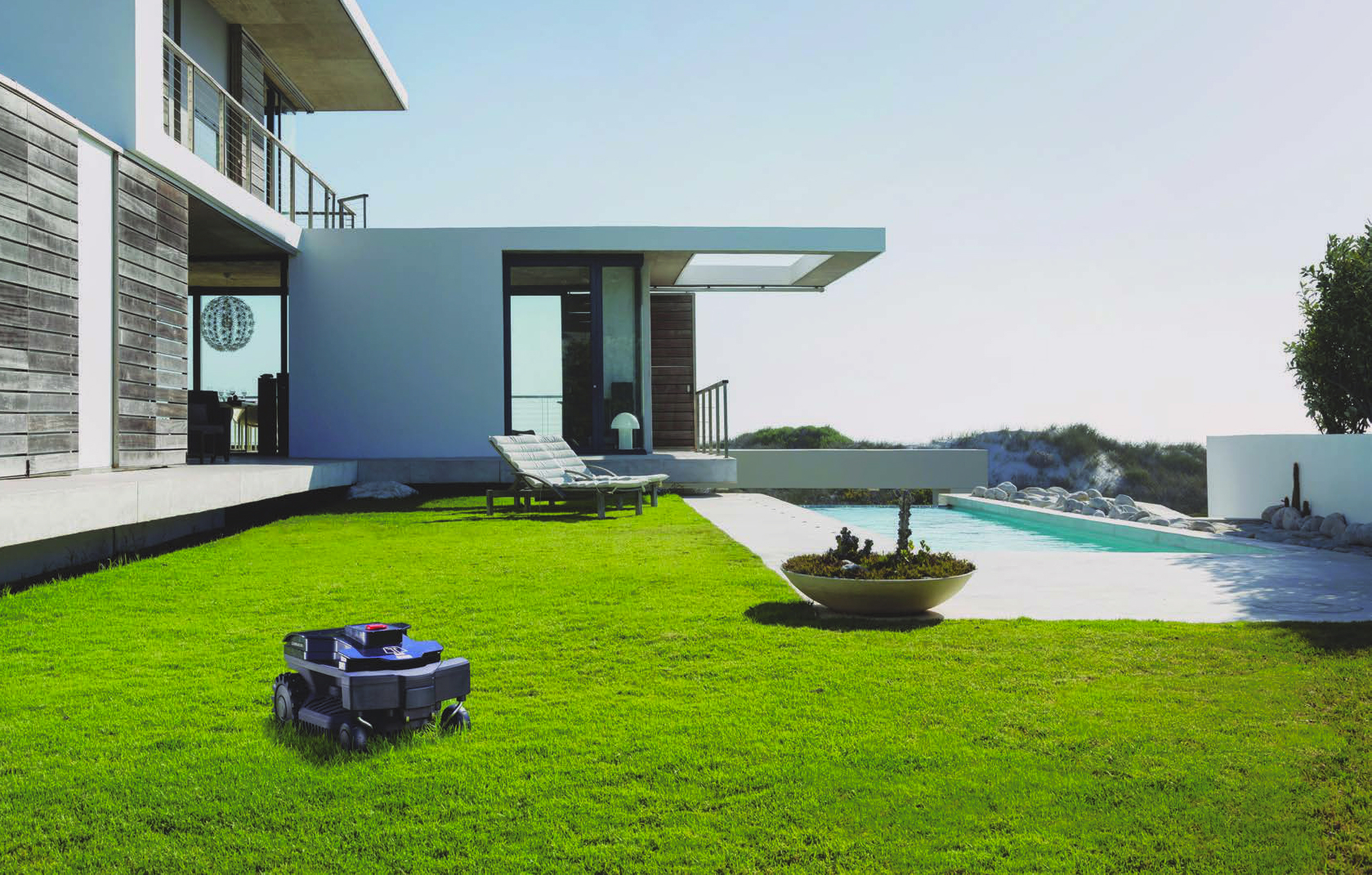
Integrating Native Plants: Designing a Low-Maintenance and Resilient Garden Nov 27, 2025
Native plants are those that have evolved naturally in a particular region over thousands of years. They are adapted to the specific climate, soil, and fauna of the area, making them an ideal choice for any eco-conscious garden enthusiast. These plants require less water, fewer fertilizers, and are more resistant to local pests and diseases than non-native species, leading to reduced garden maintenance and a more sustainable landscape.
When designing your garden with native plants, it's crucial to first understand the regional conditions and native plant species. In the Mid-Atlantic region, for example, some popular native species include the Eastern Redbud, Black-Eyed Susan, and Switchgrass. Each of these plants not only contributes to the beauty of your garden but also provides food and habitat for local wildlife, such as pollinators and birds.
Once you have identified the native plants suitable for your garden, consider the layout and design. Group plants with similar water, light, and soil requirements to create micro-environments that maximize their growth potential. This strategy, known as plant zoning, minimizes the need for additional watering and fertilization. For instance, placing drought-tolerant plants together in sunnier spots reduces water consumption and nurtures a cohesive plant community.
Consider incorporating hardscaping elements like stone paths, benches, or retaining walls to add structure and reduce maintenance requirements further. These elements not only enhance the visual appeal of your garden but also complement native plantings by providing contrast and definition. Additionally, using materials that blend well with the natural surroundings ensures a seamless integration of design and nature.
Integrating native plants into your landscape involves thoughtful selection and placement, but the benefits extend beyond low maintenance. Native plant gardens contribute significantly to biodiversity. They offer food and shelter for butterflies, bees, and birds, thereby encouraging a healthy ecosystem in your backyard. This practice promotes ecological balance and provides an opportunity to reconnect with nature right at home.
To maintain your native plant garden, regular monitoring is essential. Although these plants are designed to withstand local conditions, occasional pruning, mulching, and soil enhancement with organic matter may be necessary to keep your garden thriving. Furthermore, be vigilant for invasive species that may compete with your plantings and take action when needed.
By choosing CBA Landscaping as your partner in designing a native plant garden, you invest in a future of reduced garden maintenance, increased resilience to local environmental challenges, and a landscape that supports the local ecosystem. Our team of experts can help you navigate plant selection, garden design, and implementation, ensuring that your garden is a beautiful, eco-friendly oasis for years to come.
In conclusion, incorporating native plants in your garden is a smart and sustainable choice. It reduces the time and resources spent on maintenance while supporting local wildlife and enhancing the natural beauty of your surroundings. With CBA Landscaping, creating a low-maintenance, resilient garden that harmonizes with the environment is both achievable and incredibly rewarding. Start your journey towards a sustainable garden today and enjoy the many benefits it brings.
/filters:no_upscale()/filters:format(webp)/media/f07c606f-9500-4993-bcf2-622eb19cd59a.jpeg)
/filters:no_upscale()/filters:format(webp)/media/2800a183-2021-4d0d-a953-0f6a4e84e60d.jpeg)